Think about the last time you earned points for shopping, unlocked a digital badge, or spun a virtual wheel to win a discount. Didn’t it feel exciting? That’s the power of gamification—turning everyday customer interactions into fun, rewarding experiences.
In today’s competitive world, brands can’t just rely on great products; they also need to keep customers engaged. Gamification taps into human psychology by leveraging our natural love for rewards, achievements, and progress. When applied smartly, it not only boosts short-term engagement but also builds long-term loyalty.
Why Gamification Works Like Magic
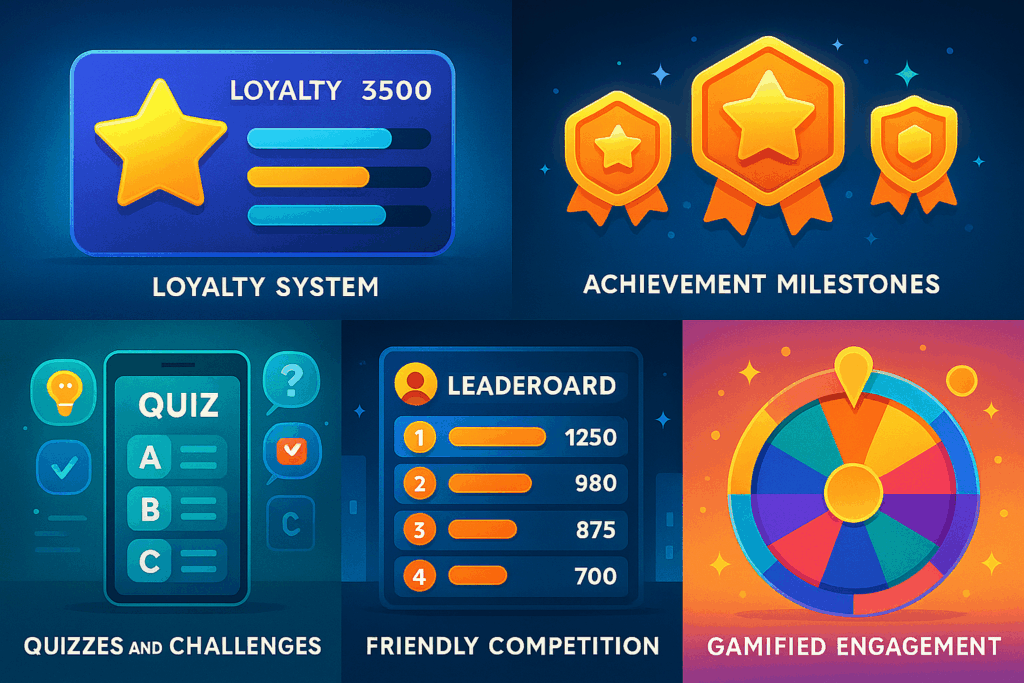
In this article, we’ll break down five smart ways to use gamification for higher customer loyalty, complete with examples and insights you can apply to your own business.
1. Reward Points and Loyalty Systems
Turning Shopping into a Game
Points-based loyalty systems are one of the most common and effective forms of gamification. Customers earn points for every purchase, referral, or activity, and redeem them for rewards.
This approach keeps customers coming back, motivated to “level up” their points balance.
Example in Action
Starbucks Rewards is a classic example. Customers collect stars with every purchase, which can be exchanged for free drinks and exclusive perks. The simple progress bar makes customers feel closer to achieving a goal each time they buy.
2. Achievement Badges and Milestones
Recognition Builds Connection
Everyone loves to feel recognized. Achievement badges celebrate milestones like “first purchase,” “100th order,” or “VIP customer.” These digital trophies encourage repeat engagement while making customers feel valued.
Storytelling Insight
Imagine an online bookstore that awards a “Bookworm” badge after a customer buys 10 books in a year. That recognition not only boosts pride but also nudges the customer to keep shopping to earn the next milestone.
3. Interactive Quizzes and Challenges
Learning Made Fun
Quizzes and challenges keep customers entertained while educating them about your products or services. By making the process interactive, you guide users toward purchases without it feeling like a sales pitch.
Example in Action
Sephora’s Beauty Insider Quiz helps customers discover the right skincare or makeup products. Each completed quiz rewards customers with tailored recommendations and sometimes bonus points—turning learning into a rewarding activity.
4. Leaderboards and Friendly Competition
Tapping into the Competitive Spirit
Humans are naturally competitive, and leaderboards capitalize on that. Customers enjoy seeing where they stand compared to others, whether it’s in earning points, sharing referrals, or completing brand challenges.
Data Example
According to a report by Badgeville, companies that use leaderboards in their gamification strategies see up to a 50% increase in user engagement.
Example in Action
Fitness apps like Nike Run Club rank users based on miles run in a week. This not only motivates people to stay active but also strengthens community bonds. Applied in retail or e-commerce, leaderboards can encourage customers to spend more or engage consistently to rise in rank.
5. Spin-to-Win and Surprise Rewards
Adding an Element of Chance
A little unpredictability adds excitement. “Spin-to-win” wheels, scratch-off coupons, or surprise gifts keep customers curious and eager to return. These tools make even small interactions feel special.
Example in Action
E-commerce platforms often use digital spin wheels that pop up at checkout, offering customers a chance to win free shipping, discounts, or bonus points. Even if the prize is small, the thrill of playing strengthens brand interaction.
Additional Gamification Tactics Worth Exploring
- Tiered Memberships: Bronze, Silver, Gold levels encourage progression.
- Social Sharing Rewards: Customers earn perks for posting about your brand.
- Daily Engagement Streaks: Encourage consistent use with streak counters.
Conclusion: Turning Customers into Loyal Players
Gamification is more than just adding “fun” to business—it’s about creating meaningful connections. By rewarding progress, celebrating milestones, sparking competition, and surprising customers, you tap into deep psychological motivators that drive loyalty.
The smartest brands of 2025 are not only selling products—they’re creating engaging experiences that keep customers coming back for more.
Call-to-Action:
If you want to strengthen your customer relationships, start by testing one gamification technique—whether it’s a simple loyalty program or a playful quiz. Measure the results, refine the experience, and watch how customer engagement transforms into lasting loyalty.

Berbagi cerita seputar karier, freelance, traveling hemat, dan pola hidup sehat
ala anak muda Indonesia. Di Kiddie Joy, gw nulis tutorial praktis biar lo bisa
ngerjain hal-hal kecil yang bikin hidup lebih ringan, mulai dari rapiin keuangan
freelance, jaga kesehatan di tengah deadline, sampai ngeplan liburan tanpa bikin
dompet jebol.