The world of work is changing at a rapid pace. With new technologies, evolving industries, and shifting market demands, the skills that made you successful yesterday might not be enough to keep you ahead tomorrow. To stay competitive, professionals need to equip themselves with future skills—abilities that empower them to navigate the digital landscape, adapt to emerging trends, and thrive in an ever-evolving workforce.
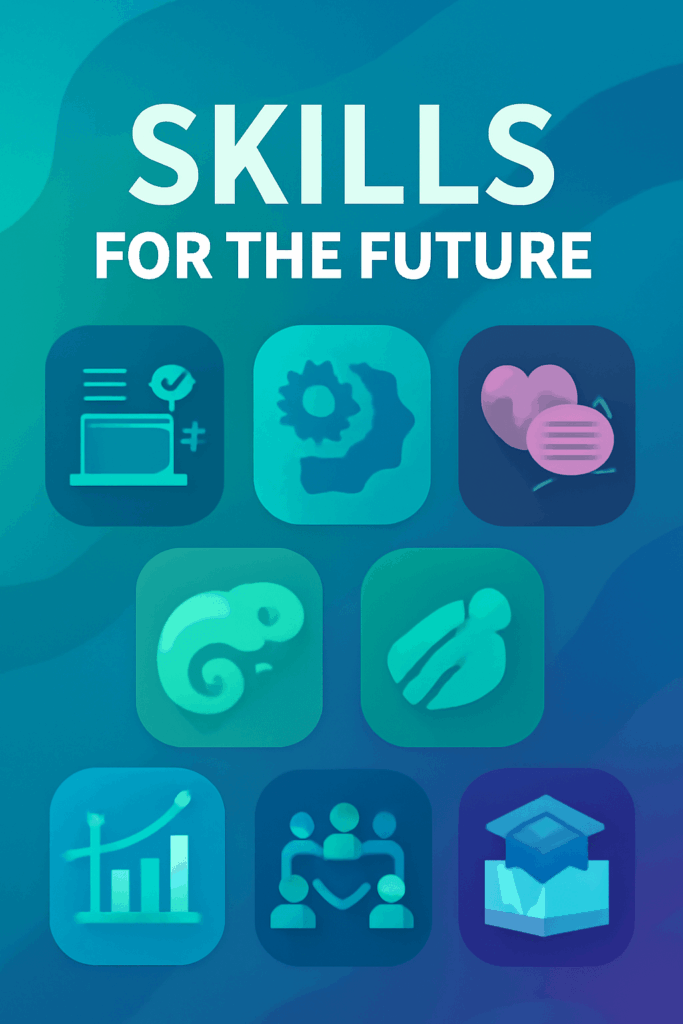
In this article, we’ll explore seven essential future skills that every professional should develop to remain relevant and successful in the coming years. These skills are not just for tech experts; they are vital for anyone looking to future-proof their career and embrace the opportunities of the digital age.
1. Digital Literacy: The Foundation of the Future Workforce
What is Digital Literacy?
Digital literacy goes beyond basic computer skills. It involves understanding and navigating digital tools, platforms, and technologies that are integral to modern work environments. Professionals today need to be comfortable using digital communication tools, analyzing data, and understanding how technology impacts their industry.
Why It’s Important
Digital literacy is the cornerstone for any professional in today’s job market. Whether you’re working in marketing, finance, healthcare, or education, having the ability to use and understand digital technologies is no longer optional. The more digitally literate you are, the more adaptable and competitive you become in a world dominated by technology.
Example:
In marketing, professionals need to use digital platforms such as social media analytics tools, email marketing software, and SEO strategies to reach and engage with audiences. Without digital literacy, they would struggle to keep up with trends or measure the success of their campaigns.
2. Critical Thinking and Problem-Solving Skills
The Power of Critical Thinking
Critical thinking is the ability to analyze, evaluate, and synthesize information to make informed decisions. As technology advances, we’re faced with more complex problems that require innovative solutions. Professionals who can think critically and solve problems will be invaluable in any field.
Why It’s Important
The future workforce will demand individuals who can think independently, question assumptions, and approach challenges from new perspectives. With AI and automation handling many routine tasks, critical thinking will be the skill that separates top performers from the rest.
Example:
In the tech industry, developers often encounter unforeseen problems when building software. Those with strong problem-solving skills are able to troubleshoot efficiently, identify the root causes of issues, and develop effective solutions to keep projects moving forward.
3. Emotional Intelligence (EQ)
What is Emotional Intelligence?
Emotional intelligence (EQ) refers to the ability to recognize, understand, and manage your emotions and those of others. In the workplace, this includes skills like empathy, self-awareness, and interpersonal communication, which help build stronger relationships and enhance collaboration.
Why It’s Important
As the workforce becomes more collaborative and diverse, emotional intelligence will be essential for success. People with high EQ can navigate complex social dynamics, resolve conflicts, and motivate others, making them valuable leaders in any industry.
Example:
In customer service, an employee with high emotional intelligence can handle irate customers with empathy, de-escalating tense situations and maintaining the company’s reputation. Their ability to connect with customers makes a significant difference in customer satisfaction and loyalty.
4. Adaptability and Flexibility
Embracing Change
In an era of rapid technological innovation, the ability to adapt to change is crucial. Professionals need to be open to new tools, systems, and ways of working. Flexibility allows you to pivot when necessary and tackle new challenges with confidence.
Why It’s Important
The future will bring constant change, whether in the form of new technologies, market shifts, or global events. Professionals who are adaptable can thrive in uncertain environments and continue to grow, even when things don’t go as planned.
Example:
The COVID-19 pandemic forced many businesses to shift to remote work. Professionals who adapted quickly to virtual meetings, collaboration tools, and new work processes were able to stay productive and support their teams, while others struggled with the transition.
5. Collaboration and Teamwork in a Digital World
What Does Collaboration Look Like?
Effective collaboration in the future means being able to work seamlessly with colleagues, clients, and partners, regardless of location. Digital tools like Slack, Zoom, and project management software have made it easier than ever to collaborate across time zones, but professionals still need strong teamwork skills.
Why It’s Important
As more businesses adopt hybrid and remote work models, collaboration will be essential to maintaining productivity and fostering innovation. Being able to communicate effectively and work as part of a team will be key to success in the future.
Example:
In software development, teams often work remotely or in different locations. Developers, designers, and project managers must collaborate effectively through digital tools to create products on time and within budget. Successful collaboration fosters creativity and helps solve problems faster.
6. Data Analysis and Interpretation
The Importance of Data
Data is a powerful tool for driving decision-making in business. Professionals with the ability to analyze and interpret data can provide valuable insights that lead to smarter strategies, better outcomes, and improved customer experiences.
Why It’s Important
The rise of big data means that almost every industry is generating vast amounts of information. Understanding how to collect, analyze, and derive insights from data is becoming a fundamental skill that professionals can’t afford to overlook.
Example:
In the retail industry, data analysis helps businesses understand consumer behavior, forecast demand, and optimize supply chains. Professionals who can interpret data and recommend actions based on their findings are crucial to helping companies stay competitive.
7. Lifelong Learning and Self-Improvement
The Need for Continuous Learning
In a fast-paced world, staying ahead means continuously learning new skills, technologies, and methodologies. Lifelong learning isn’t just about taking courses—it’s about fostering a mindset that values growth and improvement throughout your career.
Why It’s Important
The future job market will favor professionals who invest in their personal and professional growth. As industries evolve and technologies emerge, the ability to learn new skills quickly will be the key to staying relevant and advancing in your career.
Example:
Many professionals today are learning coding, data science, or digital marketing in their spare time, adapting to the needs of the job market. By dedicating time to learning, they are positioning themselves for future opportunities in fields with high demand.
Conclusion: Embrace the Future with Confidence
As the world continues to change, so too must the skills we use to succeed in our careers. By focusing on developing these seven essential skills—digital literacy, critical thinking, emotional intelligence, adaptability, collaboration, data analysis, and lifelong learning—you can stay ahead of the curve and thrive in the workforce of the future.
Call to Action: Ready to future-proof your career? Start by identifying the skills you need to develop and take actionable steps toward mastering them. Whether through online courses, self-study, or hands-on experience, investing in these future skills will ensure that you are prepared for whatever comes next.

Berbagi cerita seputar karier, freelance, traveling hemat, dan pola hidup sehat
ala anak muda Indonesia. Di Kiddie Joy, gw nulis tutorial praktis biar lo bisa
ngerjain hal-hal kecil yang bikin hidup lebih ringan, mulai dari rapiin keuangan
freelance, jaga kesehatan di tengah deadline, sampai ngeplan liburan tanpa bikin
dompet jebol.