Imagine walking into your classroom and having a tool that knows exactly where each student stands, what they struggle with, and how they learn best. Sounds futuristic? Not anymore. In 2025, adaptive learning tools are becoming the backbone of personalized education. These smart platforms use data-driven algorithms to tailor content, pace, and activities to the unique needs of each learner. For teachers, this means less guesswork and more meaningful engagement. Whether you’re a tech-savvy educator or just getting started, these tools are designed to make your teaching more effective—and your students more empowered.
The Future of Teaching is Here—Are You Ready?
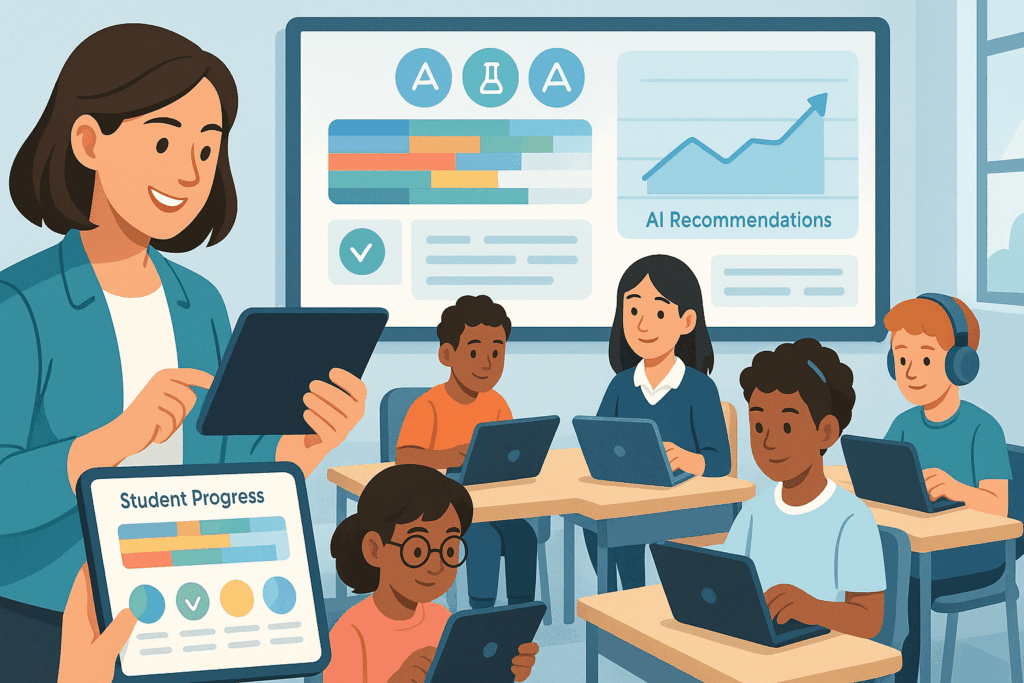
In this article, we’ll explore the top 5 adaptive learning tools every teacher should try this year, complete with real use cases and key features. Let’s dive into the world of personalized learning that actually works.
What is Adaptive Learning, and Why Does It Matter?
Adaptive learning is a method of education that uses artificial intelligence and data analytics to adjust the path, content, and speed of learning according to each student’s performance. It recognizes that no two students are alike—and neither should their learning journeys be.
Benefits at a Glance
- Personalized instruction that matches individual pace
- Real-time performance analytics for teachers
- Increased student engagement and motivation
- Better retention and long-term mastery
Now that we’ve covered the why, let’s move to the how.
Top 5 Adaptive Learning Tools to Watch in 2025
1. Knewton Alta
Best for: Higher education, particularly in STEM courses
Why it stands out: Knewton Alta combines open educational resources with adaptive technology to customize content delivery. It continuously analyzes student input and redirects them to prerequisite concepts when needed.
Use Case: A college algebra class where students struggle with foundational concepts. Knewton helps identify gaps and suggests review modules in real-time.
Key Features:
- Skill gap detection
- Self-paced modules
- Built-in assessments
2. DreamBox Learning
Best for: K-8 Math Instruction
Why it stands out: DreamBox offers a gamified and interactive math environment that adapts instantly based on each student’s input—not just correct or incorrect answers, but how they solve problems.
Use Case: In a third-grade classroom, students with different math levels progress confidently as DreamBox adjusts the difficulty without making anyone feel left behind.
Key Features:
- Real-time adaptation
- Intuitive dashboards for teachers
- Over 2,000 interactive lessons
3. Smart Sparrow
Best for: Custom course creation across subjects
Why it stands out: Unlike pre-built tools, Smart Sparrow lets educators design their own adaptive lessons using a powerful authoring platform.
Use Case: A biology teacher creates an interactive unit on genetics where students receive tailored explanations and questions based on their responses.
Key Features:
- Adaptive pathways
- Feedback mechanisms
- Rich media integration
4. IXL Learning
Best for: K–12 cross-subject learning
Why it stands out: IXL combines personalized recommendations with curriculum-aligned content across math, language arts, science, and more. It’s also ideal for remote learning.
Use Case: During hybrid instruction, a fifth-grade teacher uses IXL to ensure students at home stay on track and receive immediate feedback.
Key Features:
- Diagnostic analytics
- Awards and motivation system
- Thousands of practice questions
5. Socratic by Google
Best for: Homework help and self-study
Why it stands out: Powered by AI, Socratic provides instant explanations, video tutorials, and step-by-step solutions based on user-submitted questions. While it’s more of a student tool, teachers can recommend it for independent learning support.
Use Case: A high school student stuck on a chemistry question snaps a photo using Socratic and gets a simplified breakdown within seconds.
Key Features:
- AI-powered question analysis
- Supports multiple subjects
- Seamless mobile experience
Tips for Choosing the Right Tool for Your Classroom
Consider Your Students’ Age and Learning Style
K-8 students benefit more from visual and gamified tools like DreamBox, while high school or college students may prefer platforms like Knewton or Socratic.
Look at Your Curriculum Requirements
Choose tools that align with your local or national standards to make integration seamless.
Don’t Ignore the Teacher Dashboard
The real power of adaptive learning lies in the insights it gives you. Opt for platforms with easy-to-use dashboards and actionable data.
Conclusion: It’s Time to Teach Smarter, Not Harder
Adaptive learning tools are no longer a futuristic concept—they’re a present-day necessity. In 2025, the demand for personalized instruction is higher than ever, and these tools offer a way to meet each student where they are. Whether you’re managing a class of diverse abilities or simply looking to enhance engagement, trying out one (or more) of these tools can make a world of difference.
So, what are you waiting for? Pick a platform, test it out, and see how your teaching transforms.

Berbagi cerita seputar karier, freelance, traveling hemat, dan pola hidup sehat
ala anak muda Indonesia. Di Kiddie Joy, gw nulis tutorial praktis biar lo bisa
ngerjain hal-hal kecil yang bikin hidup lebih ringan, mulai dari rapiin keuangan
freelance, jaga kesehatan di tengah deadline, sampai ngeplan liburan tanpa bikin
dompet jebol.