Ever sat through a long training session wondering when the coffee break was coming? You’re not alone. Traditional training often feels like a chore—lengthy presentations, overwhelming information, and rigid schedules. But what if learning could adapt to your lifestyle instead of the other way around?
Rethinking the Way We Learn
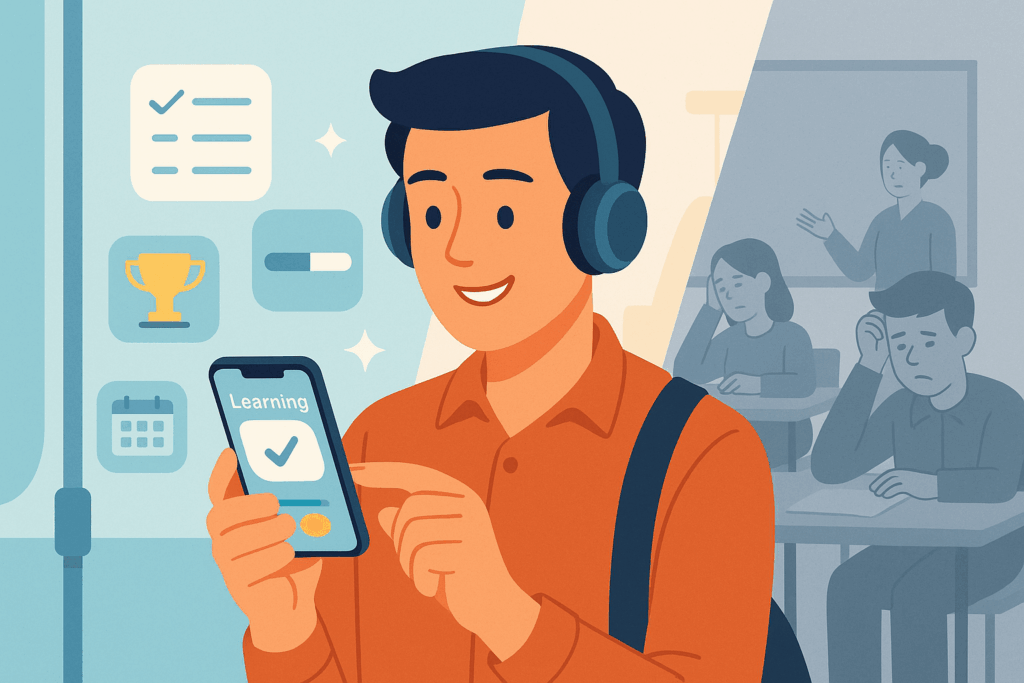
Welcome to mobile learning—a smarter, faster, and more flexible approach to personal and professional growth. And no, it’s not just about watching videos on your phone. In this article, we’ll break down five unexpected reasons why mobile learning is not only different from traditional training, but actually better.
1. Learning On-the-Go: Flexibility Like Never Before
No More Waiting Rooms or Classrooms
Traditional training requires participants to be at a specific place, at a specific time. Mobile learning, on the other hand, gives you the freedom to learn wherever and whenever. Whether you’re commuting, waiting in line, or relaxing at home, your phone becomes a pocket-sized classroom.
Example: A sales rep can brush up on negotiation tips right before a client meeting using a mobile learning app—something a physical classroom just can’t offer.
Micro-Moments = Macro Progress
Thanks to microlearning modules, users can engage in short bursts of education. Even 5 minutes a day adds up to real progress over time. It’s a learning habit built for the modern lifestyle.
2. Personalized Learning Paths = Higher Retention
Everyone Learns Differently
In traditional training, it’s often a one-size-fits-all approach. Mobile learning platforms, however, can use algorithms and data to personalize content based on your pace, preferences, and performance.
Data Insight: According to a 2023 LinkedIn Learning report, companies that implemented personalized mobile learning saw a 43% increase in employee engagement with training content.
Adaptive Learning in Action
Mobile platforms like Duolingo or Coursera adjust content dynamically. Struggling with a topic? You get more practice. Mastering a concept quickly? You move on. That’s real-time personalization that keeps learners motivated.
3. Gamification Makes It Engaging (and Addictive)
Turning Learning Into a Game
Who says learning can’t be fun? Mobile learning integrates gamification—points, levels, leaderboards—to keep users coming back. This simple tweak boosts motivation and turns repetitive tasks into rewarding challenges.
Storytime: James, a customer support agent, improved his product knowledge by 30% in just two weeks using a mobile learning app that rewarded him with badges and small prizes for every milestone.
Better Engagement = Better Results
Studies show that gamified learning environments lead to better focus, higher retention, and more frequent voluntary participation compared to lecture-based training.
4. Instant Feedback and Real-Time Progress Tracking
Feedback While It Still Matters
In a traditional setup, you might complete a workshop and wait days (or weeks) for feedback—by which point the lesson is no longer fresh. Mobile learning provides instant results, quiz scores, and progress updates that reinforce learning on the spot.
Managers Love the Insights
With dashboards and analytics, supervisors can track employee progress, identify gaps, and provide support in real time. No more guesswork.
Pro Tip: Apps like TalentLMS or Kahoot! offer backend tools for HR teams to monitor learner activity and adjust training plans accordingly.
5. Cost-Effective and Scalable for Everyone
Goodbye, Expensive Trainers and Venue Bookings
Hosting traditional workshops often means travel expenses, printed materials, and costly facilitators. Mobile learning slashes these overheads by delivering content digitally to anyone with a device.
Scale Without Sacrificing Quality
Want to train 10 people or 10,000? No problem. Mobile platforms can scale effortlessly across departments, offices, and even countries—without losing the personal touch.
Case Study: A multinational company saved over $200,000 in training expenses within a year by switching from in-person seminars to mobile-based modules.
Conclusion: It’s Time to Rethink Training
While traditional training still has its place, the advantages of mobile learning are too big to ignore. It’s flexible, personalized, engaging, data-driven, and budget-friendly—all the things modern learners crave.
So, whether you’re an HR leader planning your next training rollout, or an individual looking to upskill without burning out, mobile learning might just be the game-changer you need.
Ready to make the switch?
Start exploring mobile learning tools today and experience the difference for yourself. Your future self will thank you.

Berbagi cerita seputar karier, freelance, traveling hemat, dan pola hidup sehat
ala anak muda Indonesia. Di Kiddie Joy, gw nulis tutorial praktis biar lo bisa
ngerjain hal-hal kecil yang bikin hidup lebih ringan, mulai dari rapiin keuangan
freelance, jaga kesehatan di tengah deadline, sampai ngeplan liburan tanpa bikin
dompet jebol.