The integration of Artificial Intelligence (AI) in education is transforming the way we learn, creating an environment where technology amplifies the educational experience. From personalized learning tools to automating administrative tasks, AI is reshaping every aspect of modern education. As more schools and universities adopt AI-driven technologies, it’s crucial to explore how these innovations are enhancing both teaching and learning processes. In this article, we will dive into the various ways AI is influencing education, offering unique insights into its advantages and potential challenges.
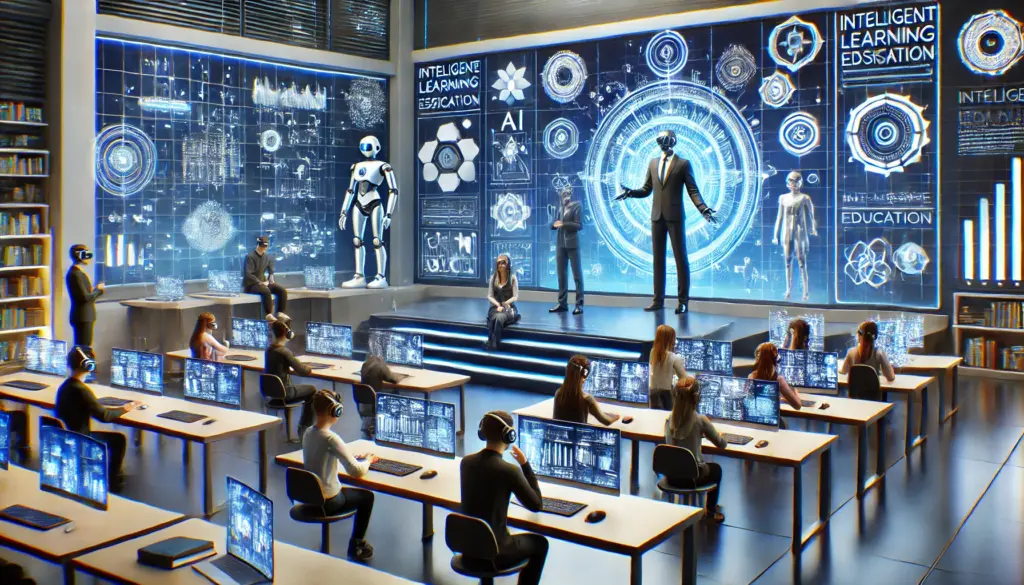
Personalized Learning and Adaptive Systems
One of the most significant contributions of AI in modern education is the development of personalized learning experiences. AI-powered platforms analyze student data to create customized learning pathways tailored to individual needs. These systems can assess the pace and preferences of students, recommending content that will help them master concepts at their own pace. For example, platforms like Duolingo and Khan Academy use AI to adapt lessons based on student progress, ensuring that learners are never overwhelmed but continually challenged.
These personalized systems not only improve engagement but also enhance learning efficiency. They offer a level of adaptability that traditional classrooms often struggle to match, allowing students to learn at their optimal speed and retain information more effectively. The result is an education system that places emphasis on mastery over completion, fostering deeper understanding and long-term knowledge retention.
AI in Classroom Assistance: Teacher Support and Automation
In the classroom, AI also serves as an invaluable assistant to educators. Teachers can automate administrative tasks, such as grading, attendance tracking, and even creating lesson plans. Tools like Google Classroom and Edmodo simplify communication and resource-sharing between teachers and students, allowing for a more organized learning environment.
AI also assists teachers in identifying students who may need extra help. By monitoring students’ performance, AI systems can flag potential learning gaps or areas where a student may be struggling. This data enables teachers to take timely and targeted actions to provide additional support, ensuring that no student is left behind. As AI continues to advance, we can expect even more sophisticated classroom assistants that will streamline educational processes, making teaching more efficient and effective.
Virtual Learning Environments and Intelligent Tutoring Systems
The rise of online education and virtual learning environments (VLEs) has also been powered by AI. Intelligent tutoring systems (ITS) offer personalized one-on-one tutoring experiences, providing students with immediate feedback and guidance. These AI tutors use natural language processing and machine learning algorithms to understand student queries and respond with tailored answers. This helps replicate the individual attention that students often miss in large classroom settings.
These systems are particularly beneficial for students in remote or underserved areas, where access to qualified teachers might be limited. With AI-powered tutoring, students can receive personalized help at any time, breaking down geographical and time barriers to education. Additionally, ITS can analyze a student’s learning behavior, adjusting its teaching methods to suit their needs, making learning more accessible and effective for all.
Ethical Considerations and Challenges
Despite the incredible potential of AI in education, there are important ethical considerations that need to be addressed. Privacy and data security are major concerns, as AI systems rely on large amounts of student data to function effectively. It’s crucial for schools and educational institutions to ensure that student information is protected and used responsibly. Furthermore, the increasing reliance on AI could lead to a digital divide, where students without access to advanced technology may be left behind.
Another challenge is the need for teachers and educators to be properly trained in using AI tools. While AI can significantly enhance teaching, its success relies on educators’ ability to effectively integrate these technologies into their classrooms. Ensuring that teachers are equipped with the necessary skills to use AI tools effectively is essential for maximizing the benefits of these technologies.
Q&A Section
Q: How can AI improve student engagement in the classroom?
A: AI can keep students engaged by offering personalized content that caters to their individual learning styles and interests. Interactive tools such as gamified learning experiences and intelligent feedback systems make lessons more engaging and motivating for students.
Q: What are the potential drawbacks of AI in education?
A: The primary concerns include data privacy issues and the potential for increased inequality in access to technology. Additionally, there is a risk that over-reliance on AI could undermine the importance of human interaction in the learning process.
Q: Are AI-powered tutoring systems suitable for all subjects?
A: Yes, AI tutoring systems are being designed for a wide range of subjects, from mathematics and science to languages and humanities. As the technology evolves, we can expect even more subjects to be supported by AI-driven tutoring platforms.
Conclusion: The Future of Education with AI
AI is undeniably playing a pivotal role in modern education, offering personalized learning experiences, improving classroom efficiency, and making education more accessible to students worldwide. While there are challenges to overcome, the future of education looks promising, with AI continuing to revolutionize the way we teach and learn. As these technologies evolve, they will undoubtedly lead to more effective and inclusive educational experiences for students everywhere.
In conclusion, the impact of AI in education is just beginning to be fully realized, and as it continues to evolve, it promises to create a more dynamic and personalized learning environment for all students. The journey ahead is exciting, as technology and education come together to form the classrooms of the future.

Berbagi cerita seputar karier, freelance, traveling hemat, dan pola hidup sehat
ala anak muda Indonesia. Di Kiddie Joy, gw nulis tutorial praktis biar lo bisa
ngerjain hal-hal kecil yang bikin hidup lebih ringan, mulai dari rapiin keuangan
freelance, jaga kesehatan di tengah deadline, sampai ngeplan liburan tanpa bikin
dompet jebol.