Have you ever noticed how a simple app can feel addictive—not because of its core function, but because it makes every action feel like a mini-game? That’s the magic of gamification. By blending game mechanics with digital experiences, brands, platforms, and creators are finding new ways to captivate audiences, drive engagement, and even make daily routines feel Instagrammable.
When Play Meets Digital Life
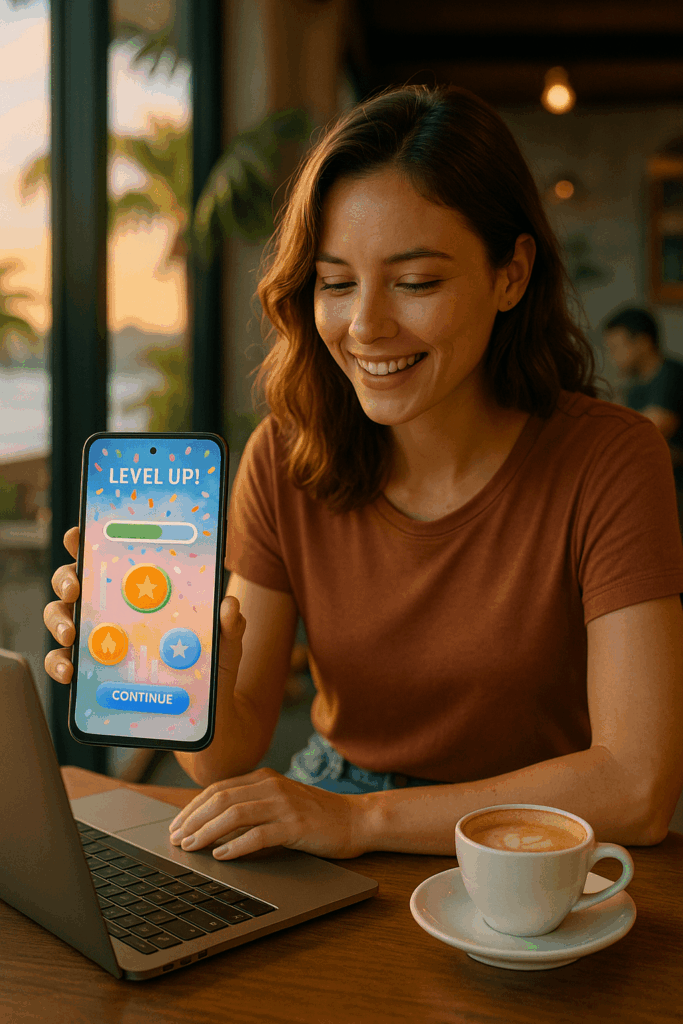
From travel apps that reward you for exploring new cities to learning platforms that turn study sessions into quests, gamification is no longer just a buzzword—it’s a cultural shift. In this article, we’ll explore five game-changing gamification trends that are transforming the way we interact with digital platforms.
1. Personalized Rewards and Progress Tracking
The Power of Tailored Motivation
Generic reward systems no longer cut it. Today, platforms are using AI and data-driven personalization to deliver rewards that actually matter to each user.
Why It Works
- Personalized milestones keep users invested.
- Progress bars, badges, and achievements create a sense of accomplishment.
- Users feel seen and valued, which boosts loyalty.
Example:
Travel apps now use location data to track the number of cities or countries you’ve visited, rewarding you with digital badges like “Globetrotter” or “Sunset Chaser.” It’s not just fun—it makes your journey Instagram-worthy.
2. Story-Driven Experiences
Beyond Points and Badges
Modern gamification goes beyond points—it creates narratives. By weaving a story into the user journey, brands keep audiences emotionally engaged.
Why It Works
- Stories create context for actions.
- Users feel part of an adventure, not just a transaction.
- Narratives inspire sharing on social media.
Example:
A fitness app might frame workouts as “missions” in a larger story—unlocking levels as if you’re traveling through virtual landscapes. It’s playful, immersive, and far more engaging than a plain checklist.
3. Social Competition and Collaborative Challenges
Engagement Through Community
Humans thrive on connection, and gamification leverages this with leaderboards, challenges, and community-driven goals.
Why It Works
- Friendly competition motivates consistent participation.
- Collaborative challenges build a sense of belonging.
- Social features encourage users to share wins publicly.
Example:
Language learning apps often create weekly leaderboards. Suddenly, it’s not just about learning Spanish—it’s about climbing the ranks and showcasing progress to your peers. The competitive edge turns studying into something you want to brag about.
4. Augmented Reality (AR) and Immersive Play
Bringing Games Into the Real World
Gamification has entered a new dimension with AR. By blending digital rewards with real-world environments, brands create experiences that are both interactive and Instagrammable.
Why It Works
- AR adds novelty and surprise to everyday activities.
- Immersive experiences encourage exploration.
- Users are eager to capture and share AR moments.
Example:
Think of Pokémon Go. The game revolutionized outdoor exploration, turning city streets and landmarks into playgrounds. Today, tourism boards and event organizers use similar AR mechanics to make destinations more engaging.
5. Micro-Rewards and Instant Gratification
Small Wins, Big Motivation
People love instant feedback. Micro-rewards—such as confetti animations, sound effects, or tiny bonus points—turn even the smallest actions into victories.
Why It Works
- Keeps users hooked with continuous dopamine hits.
- Encourages repetitive behavior without feeling like a chore.
- Enhances the overall user experience with positivity.
Example:
Even productivity apps now celebrate small wins. Completing a simple to-do list might trigger a cheerful animation. It’s a tiny moment of joy, but it transforms the experience into something you want to repeat.
Tips for Leveraging Gamification in Your Own Projects
Start Simple
Begin with a progress bar, point system, or milestone badges before moving into AR or complex storylines.
Make It Social
Encourage users to share their progress, badges, or achievements on Instagram or TikTok. This multiplies engagement beyond your platform.
Keep Rewards Relevant
A badge means little if it doesn’t align with the user’s personal goals. Tailor rewards to experiences that genuinely matter.
Conclusion: The Future of Digital Play
Gamification is no longer about simply adding points and badges—it’s about crafting experiences that merge fun, function, and emotional engagement. From personalized rewards to AR adventures, these five trends prove that the future of digital life is playful, immersive, and endlessly shareable.
Call-to-Action:
If you’re building a platform, app, or service, think about how gamification can elevate your user experience. Start small, experiment with these trends, and watch as your audience becomes not just users, but players in a digital journey worth sharing.

Berbagi cerita seputar karier, freelance, traveling hemat, dan pola hidup sehat
ala anak muda Indonesia. Di Kiddie Joy, gw nulis tutorial praktis biar lo bisa
ngerjain hal-hal kecil yang bikin hidup lebih ringan, mulai dari rapiin keuangan
freelance, jaga kesehatan di tengah deadline, sampai ngeplan liburan tanpa bikin
dompet jebol.